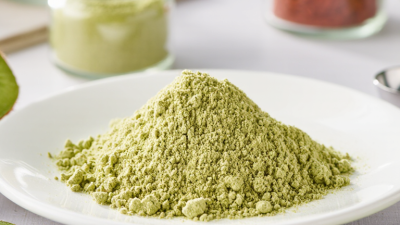
How to Buy L Creatine Powder in Bulk?
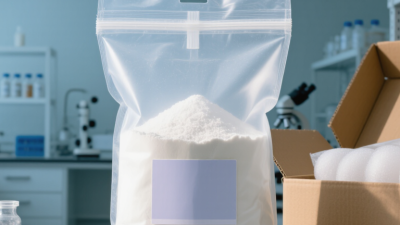
Buying L Creatine Powder in bulk can definitely bring down the cost per unit. But honestly, price shouldn't be the only thing you look at. When you're ordering large amounts, you've got to check purity, paperwork, packaging, and whether the supplier is actually reliable. A really low quote? Sometimes that's a sign of weak testing, shaky supply, or storage conditions that just won't cut it. And that risk? It's worth paying attention to. Most experienced buyers start out by figuring out what they actually need the product for, how much they’ll order, and which specs matter. If it’s sports nutrition—say, creatine monohydrate—people usually look at identity, purity, moisture, and microbial quality. It’s worth asking the supplier for a current Certificate of Analysis, along with the testing methods, batch details, and shelf-life info. And if you’re buying several kilograms or more, an independent lab check can give you some extra peace of mind. Honestly, it’s a practical safeguard—not just unnecessary paperwork. Packaging matters too. Moisture-resistant bags, sealed inner liners, and clear batch labels go a long way toward protecting the powder during transport and storage. Before you approve a full shipment, ask for samples. Compare appearance, solubility, odor, and how consistent the documents are—though keep in mind these checks aren’t a substitute for lab testing. And do keep records of quotations, samples, test reports, and delivery performance. Those small details tend to matter later on. Supplier experience definitely helps, but honestly, it’s not proof of quality. You still want to check their manufacturing capabilities, quality controls, export experience, and how well they communicate. And before you sign anything, get clear answers on minimum order quantities, lead times, payment terms, and after-sales procedures. Some suppliers reply fast but give you incomplete evidence—that’s usually a good reason to pause and think. When you're buying in bulk, you want a choice that actually works: it should balance price, quality, traceability, and what your business really needs. And don't forget—buyers should double-check that any product claims they plan to make, plus how they'll distribute it, line up with the rules that apply. Honestly? The best decision isn't always the cheapest one. It's the one you can still stand behind after testing, delivery, and hearing what customers think.
Read more »