+86 13759939507 


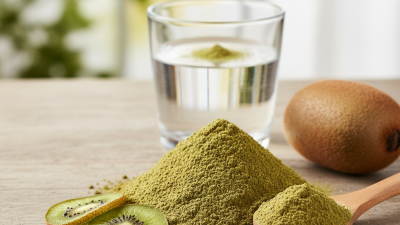
These days, global buyers are exploring Kiwi Powder as a pretty handy ingredient for all sorts of stuff—think beverages, baked goods, supplements, and functional foods. That fine, green powder is basically made from processed kiwi fruit, and it often keeps that fresh aroma, a touch of mild acidity, and its natural color. One of the main advantages people talk about with kiwi powder (see here) is how easy it is to store, work into recipes, and its potential nutritional perks—stuff like fiber, vitamin C, and plant compounds. But, honestly, the final profile can vary a lot depending on the type of kiwi used, drying temps, processing methods, and packaging quality.
That being said, it’s more important to focus on quality than just shiny claims. Savvy buyers usually check out the product specs, certificates of analysis, microbiological test results, allergen info, origin details, and shelf life data. Moisture levels, for example, can impact how it flows and whether it cakes. And if the bag isn’t sealed properly, your kiwi powder might lose its freshness pretty quickly—especially if it’s being shipped far away. Different countries have different certification requirements, so importers should definitely double-check local food regulations before committing to large orders. It’s a good idea to ask for a sample first—test its color, how well it dissolves, flavor, and how it performs in your recipes. Doing small trial batches early on can save you a lot of headaches later.
Now, a quick heads-up: the biggest benefits of kiwi powder might not be a perfect fit for every application. It can have that sharp, tangy note which might need balancing out with sweetness or other flavors. Plus, the nutritional content can change during processing, so if you’re claiming health benefits, make sure lab tests back that up. That’s where an experienced supplier really shines—they’ll provide more than just confident claims. Buyers should look at batch-to-batch consistency, traceability, cleanliness during production, and the kind of tech support offered. It’s not just about finding the cheapest option; it’s about choosing a reliable ingredient that performs well from the very first sample all the way through full-scale production. In the end, real evidence and thorough checks matter—that’s the key to making smart decisions.
What Is Kiwi Powder and How Is It Made?
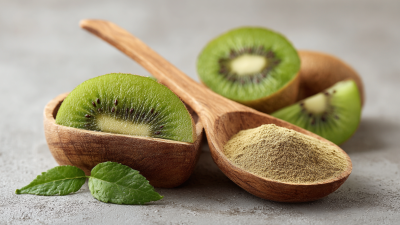
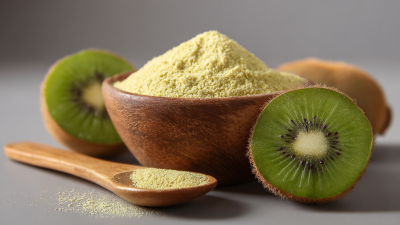
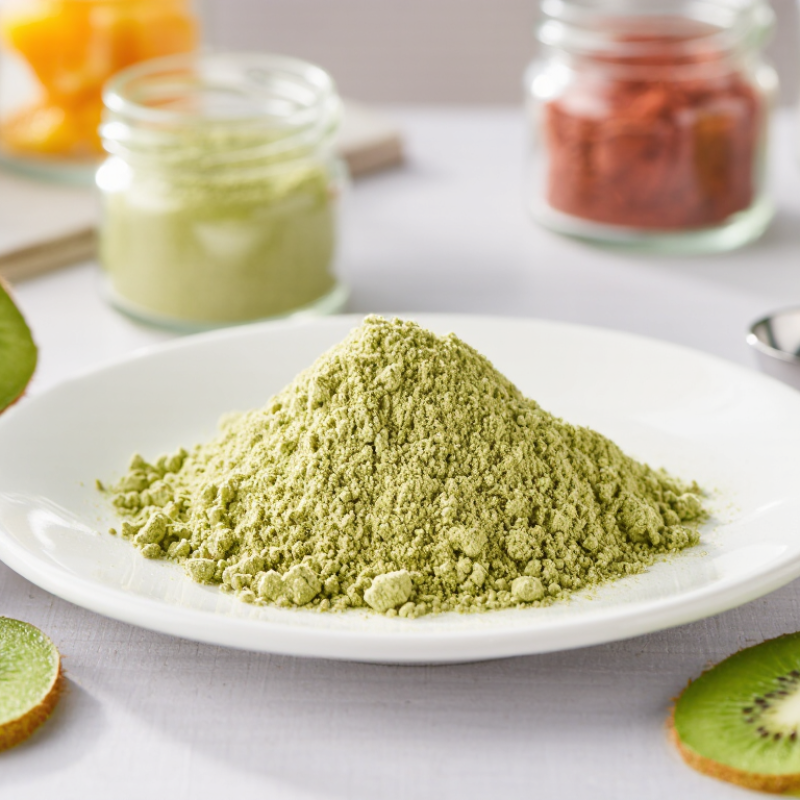
Kiwi Powder is made from ripe kiwifruit that is cleaned, trimmed, dried, and milled into a fine powder. Its green color may come from the fruit itself, although shade can vary by variety and processing method. The powder usually keeps kiwi’s tangy flavor, natural sugars, fiber, and some nutrients. It is not identical to fresh fruit. Heat, oxygen, and storage time can reduce sensitive vitamins.
Manufacturers typically wash the fruit, remove damaged parts, and slice it into thin pieces. The pieces may be freeze-dried or hot-air dried before grinding. Freeze-drying can better protect flavor and color, but it often costs more. Hot-air drying is practical for larger production, yet excessive heat may affect quality. After milling, the powder should be tested for moisture, particle size, microbial safety, and contaminants. Documentation matters for global buyers. Still, a certificate alone does not replace careful supplier evaluation.
Tips: Ask for the fruit’s origin, drying method, test reports, and shelf-life data. Check whether the powder contains added sugar or carriers. A small sample can reveal clumping, harsh acidity, or weak aroma. Store it in a sealed, moisture-resistant package away from heat and sunlight. Results may vary. That deserves attention.
Kiwi powder concentrates the nutritional profile of fresh green kiwi, but values vary with drying methods and moisture levels. USDA FoodData Central lists raw green kiwi at 92.7 mg of vitamin C per 100 grams. It also provides about 3 grams of dietary fiber and 312 mg of potassium. These nutrients support normal immune function, digestion, and electrolyte balance. Powder can offer more nutrients per spoon because water has been removed. That comparison can mislead without checking the serving size.
The fruit also contains actinidin, a natural proteolytic enzyme associated with protein digestion. Its activity may decline during heat processing. Freeze-Dried Powder often preserves more aroma and heat-sensitive compounds, although production quality still matters. Kiwi’s polyphenols include flavonoids and phenolic acids, while carotenoids such as lutein contribute to its broader antioxidant profile. Research reviews published in Nutrients describe these compounds as biologically active, not automatic disease treatments. That distinction matters.
Look at the specification sheet.
Buyers should verify vitamin C testing, moisture content, mesh size, pesticide compliance, and microbial limits. Batch results are more useful than general marketing claims. One overlooked issue is oxidation after opening; the powder may lose freshness in warm, humid storage. USDA data describe fresh fruit, not every commercial powder. So, nutrient values should be treated as reference points, not promises.
Kiwi Fruit Powder may support digestive health through dietary fiber and naturally occurring enzymes. Fiber can add bulk to stool and help maintain regular bowel movements. It also provides a substrate for beneficial gut bacteria. Some kiwi compounds may support comfortable digestion, although responses differ between individuals.
Actinidin, a naturally occurring enzyme in kiwi, may assist protein digestion. However, processing temperatures can reduce enzyme activity. Powder made from carefully processed fruit may retain more functional compounds, but buyers should verify technical data. Check fiber content, moisture levels, microbial testing, and processing conditions before making health-related claims.
In practical use, a small serving can blend into yogurt, porridge, or a fruit smoothie. Drink enough water when increasing fiber intake. Too much powder may cause gas or loose stools, especially for sensitive users. Not a cure. Evidence on kiwi powder is still developing, and studies on fresh kiwi cannot always be applied directly to every powder. Clear labeling and responsible serving guidance remain essential for global buyers.
Kiwi powder may offer more than convenient fruit flavor. USDA FoodData Central lists raw green kiwifruit at about 92.7 milligrams of vitamin C per 100 grams. Vitamin C supports normal immune function and collagen formation. However, drying methods and serving sizes can change the final nutrient level. Buyers should request laboratory testing, not rely on a bright green color.
Digestive support is another potential benefit. Kiwifruit naturally provides dietary fiber, while its actinidin enzyme may help break down proteins. Small human trials have reported improved bowel regularity after regular kiwifruit intake, but evidence for kiwi powder remains less developed. That distinction matters. Powder is not automatically equivalent to fresh fruit.
Antioxidant activity may also interest wellness and nutrition manufacturers. A 2023 review in Nutrients described kiwifruit as a source of vitamin C, carotenoids, and polyphenols. These compounds help protect cells from oxidative stress, although laboratory antioxidant results do not guarantee clinical outcomes. Some powders may contain added sugar or lose sensitive nutrients during heat processing. Read the certificate of analysis carefully. It should show moisture, microbial results, pesticide compliance, and nutrient specifications. One practical concern remains: people with fruit allergies or latex-fruit syndrome may react to kiwi ingredients. Product claims should stay measured, because “supports digestion” is safer and more credible than promising treatment.
Global buyers should evaluate kiwi powder as a food ingredient, not merely as a bright green product.
Start with origin, harvest season, processing method, and lot traceability. USDA FoodData Central lists 92.7 milligrams of vitamin C per 100 grams of raw green kiwi. Powder values can differ after drying, storage, and blending. A reliable supplier should provide a lot-specific certificate of analysis, not a generic laboratory template.
Looks are not enough. Check moisture, water activity, particle size, solubility, color, flavor, and vitamin C content. Low water activity helps control microbial growth, but it does not replace microbiological testing.
Ask for results covering total plate count, yeast, mold, Salmonella, and Escherichia coli. Testing should follow recognized AOAC or ISO methods.
Codex General Standard for Contaminants and Toxins in Food and Feed, CXS 193-1995, provides an important reference for contaminants and heavy metals. Local pesticide limits still apply.
I would also compare three retained samples from different lots. This often reveals color drift or uneven acidity. A certificate can be genuine yet incomplete. Review laboratory accreditation, test dates, sampling procedures, and packaging conditions. Food-grade laminated bags, oxygen control, and cool storage matter because kiwi powder can absorb moisture quickly. Organic or non-organic status should be verified through valid documentation, not marketing language.
One practical weakness remains: many buyers focus on vitamin C alone, while texture, microbiological stability, and batch consistency determine real manufacturing performance.
Global buyers should examine form before comparing the benefits of Natural Kiwi Fruit Powder. Spray-dried powder usually offers lower cost and easy beverage dispersion. Freeze-dried powder often preserves brighter flavor and color, but costs more. Carrier-free powder gives a cleaner label. However, it may absorb moisture quickly. FAOSTAT data places global kiwifruit production above four million tonnes in recent reporting years, supporting broader raw-material availability. Yet harvest quality still varies by origin, season, and maturity.
Certification documents need practical checking. ISO 22000 or FSSC 22000 indicates a structured food-safety system, while HACCP records show hazard-control procedures. Organic, halal, kosher, and non-GMO claims depend on market requirements and valid certificates. Codex food-safety guidance supports traceability, hygiene controls, and accurate labeling. Ask for a recent certificate, scope statement, allergen declaration, pesticide report, microbiological test, and certificate of analysis. A logo alone proves little.
Tips: Choose packaging according to shipping time and humidity. Common export formats include 20–25 kilogram kraft bags with polyethylene liners, fiber drums, and smaller resealable pouches. Nitrogen flushing can reduce oxidation in sensitive powders. Request lot numbers, production dates, moisture limits, and sieve-size details. I would not assume “natural” means additive-free. Confirm the carrier, flow agent, sugar content, and actual kiwi percentage. Small trial samples matter. A powder can pass paperwork yet perform poorly in yogurt, bakery fillings, or instant drinks.
Businesses sourcing kiwi powder for global markets should begin with qualified growers and specialized food processors. New Zealand, Italy, Greece, and China offer established kiwi cultivation, but origin alone does not prove quality. Ask suppliers for harvest details, processing methods, and a recent certificate of analysis. Important checks include moisture, particle size, color, microbiological safety, pesticide residues, and heavy metals.
Request a small sample before signing a large contract. Test its aroma, solubility, acidity, and color in your actual product. A bright green powder may fade during storage. That detail matters. Suppliers should also explain whether the powder contains added carriers, sweeteners, or preservatives. Search teams often compare Kiwi Powder Benefits with Goji Berry Powder Benefits, so clear specifications help prevent misleading product claims.
Global buyers should review packaging and shipping conditions carefully. Foil-lined bags, moisture control, pallet protection, and temperature records can reduce quality loss during long transit. Reliable suppliers usually provide traceability documents and respond clearly to technical questions. Still, no supplier file is perfect. A recent test report may not represent every batch. Independent verification is worth considering for higher-value orders. Buyers should also confirm labeling rules, import requirements, and shelf-life expectations in each destination market before production begins.
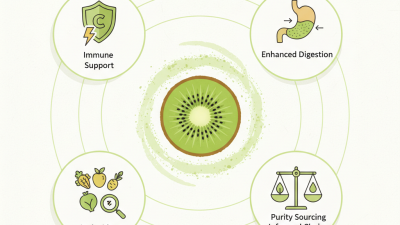
Kiwi powder is valued as a convenient source of vitamin C, dietary fiber, potassium, folate, and vitamin E. The chart shows naturally occurring nutrients in 100 g of raw green kiwi as a transparent reference; actual powder values vary according to concentration, drying method, moisture, and processing conditions.
For global sourcing, buyers should compare the product specification, country of origin, moisture level, microbiological results, pesticide-residue testing, allergen information, packaging format, and applicable food-safety certifications.
Kiwi powder is made from ripe kiwifruit. The fruit is cleaned, trimmed, dried, and milled. It usually keeps a tangy flavor, natural sugars, fiber, and some nutrients. It is not equal to fresh kiwi.
Producers wash the fruit and remove damaged areas. They slice it into thin pieces before drying. Freeze-drying may protect color and flavor better. Hot-air drying supports larger production, but excessive heat can reduce quality.
Kiwi powder may provide vitamin C, dietary fiber, potassium, polyphenols, and carotenoids. It may also contain actinidin, a natural protein-digesting enzyme. Nutrient levels vary between batches. Serving-size comparisons can be misleading.
Heat, oxygen, and storage time can reduce sensitive vitamins. Freeze-drying often protects more aroma and heat-sensitive compounds. However, processing quality still matters. Fresh fruit data cannot guarantee powder values.
Ask for moisture, particle size, microbial, pesticide, and contaminant test results. Check vitamin C testing when nutrient claims matter. A recent report is useful. It may not represent every batch.
Ask about fruit origin, harvest details, drying method, carriers, sweeteners, preservatives, and shelf life. Request traceability documents and a small sample. Test aroma, acidity, color, and solubility. Do not rely on paperwork alone.
Keep it in a sealed, moisture-resistant package. Store it away from heat and direct sunlight. Warm, humid conditions may cause clumping and oxidation. The aroma can weaken after opening.
A sample may show harsh acidity, weak aroma, clumping, poor solubility, or fading color. These issues can appear during transport or storage. Results may vary. That deserves attention.
No. Drying removes water and changes texture, flavor, and nutrient concentration. Powder is convenient for blends, beverages, fillings, and dry formulations. The final recipe still needs testing. I would not assume identical performance.
Kiwi powder is made by carefully drying ripe kiwifruit and milling it into a convenient, shelf-stable ingredient. It can retain valuable nutrients and active compounds, including vitamin C, dietary fiber, antioxidants, and naturally occurring enzymes. The main Kiwi Powder Benefits may include support for normal digestion, nutrient intake, immune function, and overall wellness when used as part of a balanced diet. Its versatility allows use in beverages, smoothies, nutrition products, bakery items, supplements, and other food applications.
For global buyers, evaluating quality requires attention to fruit origin, processing methods, ingredient purity, color, flavor, moisture, solubility, and laboratory testing. Buyers should also review certifications, traceability documents, allergen statements, and compliance with destination-market requirements. Available options may include fine powder, spray-dried or freeze-dried formats, bulk bags, lined cartons, and customized packaging. Reliable sourcing depends on clear specifications, stable supply capacity, suitable storage conditions, and transparent communication throughout the purchasing process.