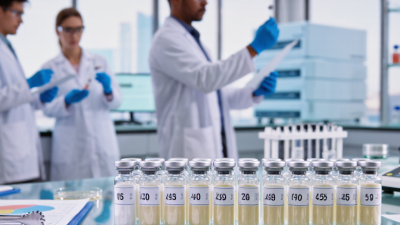
So, Gluta One is often pitched as a glutathione-focused supplement, but honestly, the exact formula can change from one manufacturer to the next. And that's a pretty big deal. When you look at the label, you might see things like reduced glutathione, some supporting nutrients, flavorings, or even stuff meant to help absorption. So before you decide if it's worth it, take a moment to check the serving size, the actual amounts of each ingredient, any allergen notes, and whether it has any quality certifications. That kind of stuff matters.
So, glutathione is this antioxidant that your body actually makes on its own, right inside your cells. Its job is to keep the whole oxidation process in check—think of it like a built-in shield. Dr. Nayan Patel, a pharmacist who really digs into glutathione research, calls it "the body's master antioxidant." That sounds impressive, and sure, it explains why people get excited about it. But here's the thing: just because it's the master antioxidant doesn't mean every product out there, like Gluta One, will do the same trick. The actual results depend on a bunch of stuff—how it's formulated, the dosage, how well your body absorbs it, how you store it, and even your personal health situation. So yeah, it's not a one-size-fits-all deal.
So, let's talk about Gluta One – what it is and whether it actually does anything. I'm going to break down the science behind it vs. what real-world evidence shows. We'll dive into how your body absorbs glutathione, why not all oral supplements are created equal, and which hype you should take with a grain of salt. Just a heads up – no pill can replace proper medical care, eating well, and getting the right treatment. Ashwagandha One A Day might pop up in all sorts of wellness discussions, but it's actually its own separate product category - definitely not the same as Gluta One. I get why it's tempting to compare them, but that comparison only scratches the surface.
Let's be honest - real-world experience is rarely as clean as we'd like. Some folks swear they feel a shift in energy or notice their skin looking different. Others? Honestly, they don't see much change at all. Sure, those anecdotal reports carry weight, but they're not the same as hard clinical proof. So what should a savvy reader actually look for? For starters, what's the active dose? Is the product even tested by a third party? And are those promised benefits even realistic? That's exactly where we start - with a healthy dose of skepticism and a genuine curiosity to dig past shiny marketing.
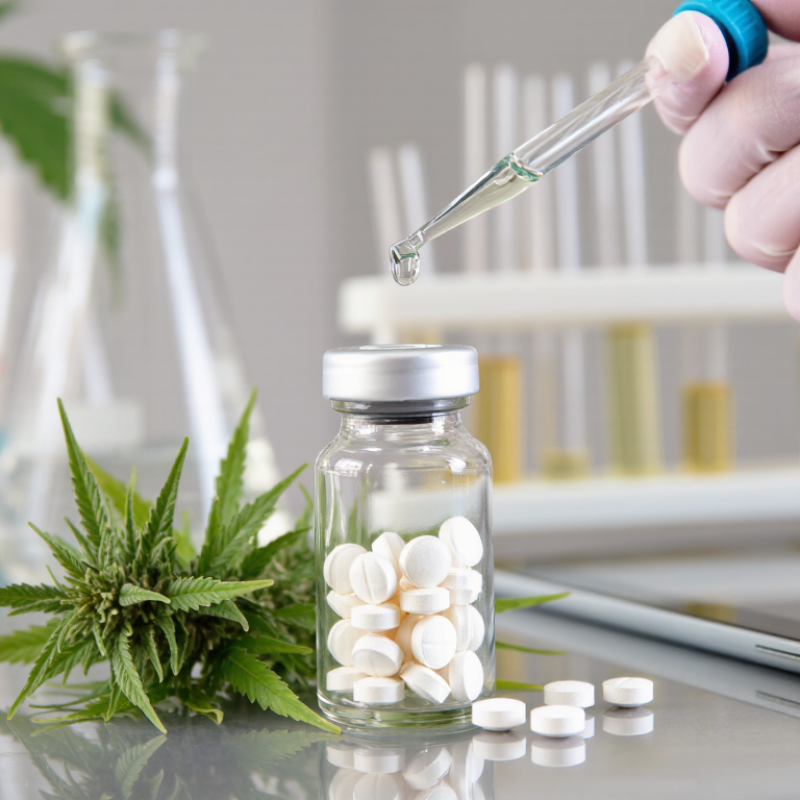
What Gluta One Is and Where It Fits in Glutathione Support
Gluta One is best understood as a glutathione-support approach, not a guaranteed detox solution. Glutathione is a naturally produced tripeptide found in nearly every cell. It helps manage oxidative stress and supports normal cellular defense. The liver makes most of it from cysteine, glycine, and glutamate. A 2023 review in Nutrients noted that Oral Glutathione research remains promising but limited by small trials and inconsistent formulations. That matters. “More” does not always mean “better.”
Market reports show growing interest in glutathione support. Grand View Research estimated the global glutathione market at over US$1 billion in 2023, while forecasts vary by product category and region. This difference reflects a crowded, uneven market. A Gluta Push formula may combine glutathione with vitamin C or precursor nutrients, aiming to support recycling and availability. However, absorption can differ between capsules, liquids, and liposomal products. Individual response also varies. In practice, sleep, protein intake, smoking, alcohol use, and illness may influence oxidative-stress markers more than one supplement.
Tips: Check the serving size and full ingredient list. Look for independent testing. Avoid products promising instant whitening or disease treatment. People with liver or kidney conditions, those taking medication, and pregnant individuals should seek professional advice. Keep expectations modest. The evidence is still developing.
What Is Gluta One and How Does It Work?
Glutathione is a naturally occurring antioxidant made from three amino acids: glutamate, cysteine, and glycine. The chart shows the approximate molecular-mass contribution of each amino-acid residue in reduced glutathione (GSH), which has a molecular mass of about 307.32 g/mol.
Glutathione is synthesized inside cells through enzymatic steps that join these three amino-acid residues. Cysteine availability is commonly considered an important factor in the rate of synthesis. This composition chart describes the structure of glutathione and does not represent the effectiveness of any specific supplement.
Values are based on residue masses in reduced glutathione: glutamyl 147.13 g/mol, cysteinyl 103.14 g/mol, and glycinyl 57.05 g/mol; total approximately 307.32 g/mol.
The Main Ingredients and Their Intended Roles
A glutathione-focused supplement is designed to support the body’s antioxidant network. Glutathione is made from three amino acids and helps neutralize oxidative compounds inside cells. It also supports normal liver and immune functions. However, absorption is not guaranteed. Form matters.
The main ingredients usually have different intended roles. Vitamin C helps protect cells and supports collagen formation. It may also help recycle oxidized glutathione. The NIH Office of Dietary Supplements sets adult vitamin C needs at 75 milligrams for women and 90 milligrams for men. Alpha-lipoic acid supports redox balance and may help regenerate other antioxidants. N-acetylcysteine can provide cysteine, a building block for glutathione production. These roles sound simple, but the body is less simple.
Some formulas add zinc or selenium for immune and antioxidant enzymes. Their value depends on dosage and existing nutrition. The NIH reports that adult zinc needs range from 8 to 11 milligrams daily, while selenium needs are 55 micrograms. More is not automatically better. A 2023 global supplements market report estimated the sector exceeded 170 billion U.S. dollars, showing strong consumer interest, not guaranteed effectiveness. Clinical evidence for oral glutathione remains mixed. I would examine the complete label, testing standards, and personal medical context before making confident claims. That caution matters.
How Gluta One May Support Glutathione Production
Gluta One is commonly described as a nutritional approach for supporting glutathione production. Glutathione is a major antioxidant made from cysteine, glycine, and glutamate. The body produces it naturally, mainly in the liver. Its levels may fall during illness, aging, poor nutrition, or sustained oxidative stress. This does not mean every low-energy day signals depletion.
Research offers cautious support. A randomized clinical trial published in the European Journal of Nutrition reported higher glutathione levels after six months of oral supplementation. The study included 54 adults, but its sample was small. The National Institutes of Health also explains that antioxidant supplements can behave differently from antioxidants in food. Results may depend on dose, absorption, diet, and personal health. I would not call the evidence conclusive.
Tips: Eat protein foods such as eggs, fish, tofu, and lentils. They provide amino acids needed for glutathione production. Add colorful vegetables, especially broccoli, spinach, and peppers. Sleep and regular movement matter too. Gluta Skin should not be treated as a guaranteed skin-lightening solution. Skin appearance is influenced by genetics, sun exposure, hormones, and hydration. Check the ingredient label carefully, and ask a qualified healthcare professional before using supplements, especially with liver disease or prescribed medicines.
What Is Gluta One and How Does It Work? - How Gluta One May Support Glutathione Production
| Dimension | What It Means | How It May Relate to Glutathione Production | Key Consideration |
| Glutathione | Glutathione, commonly abbreviated as GSH, is a naturally occurring antioxidant made inside cells. | It helps protect cells from oxidative damage and participates in the neutralization of reactive compounds. | Glutathione status can vary with age, diet, health status, oxidative stress, and cellular demand. |
| Basic structure | GSH is a tripeptide composed of glutamate, cysteine, and glycine. | Providing adequate building blocks supports the biochemical pathway used to synthesize GSH. | Cysteine availability is often an important limiting factor in GSH synthesis. |
| First synthesis step | The enzyme glutamate-cysteine ligase combines glutamate and cysteine. | This is generally considered the rate-limiting step in the two-step synthesis of glutathione. | The body regulates this step according to nutrient availability and oxidative conditions. |
| Second synthesis step | Glutathione synthetase adds glycine to form glutathione. | Once the intermediate is formed, this enzyme completes the production of GSH. | Adequate glycine and normal enzyme activity are required for this step. |
| Cysteine support | Cysteine is a sulfur-containing amino acid used directly in GSH synthesis. | Nutritional compounds that provide cysteine or cysteine precursors may help supply substrate for the pathway. | The effect depends on absorption, dose, individual metabolism, and the person’s baseline nutritional status. |
| GSH recycling | Oxidized glutathione, known as GSSG, can be converted back to its reduced form, GSH. | Glutathione reductase uses NADPH to help restore active GSH after it participates in antioxidant reactions. | Production and recycling are separate processes, and both contribute to cellular glutathione balance. |
| Antioxidant network | GSH works together with enzymes and nutrients involved in antioxidant defense. | A balanced diet containing protein, fruits, vegetables, and essential micronutrients supports normal cellular antioxidant systems. | No single nutrient can replace overall dietary quality, sleep, or appropriate medical care. |
| Potential role of a supplement | A supplement may provide amino acids or other nutrients intended to support the body’s own GSH pathway. | Its potential impact depends on the actual ingredients, amounts, formulation, absorption, and individual needs. | The exact mechanism cannot be determined without reviewing the product’s complete ingredient label. |
| Oral glutathione | Some oral formulations provide glutathione directly rather than supplying its individual amino acids. | Absorption and changes in tissue or blood Glutathione Can vary by formulation and study population. | Evidence is not uniform, so results should not be assumed to be the same for every person. |
| Safety and use | Glutathione-related supplements may not be appropriate for everyone. | People who are pregnant, breastfeeding, managing a medical condition, or taking medication should seek professional advice before use. | A supplement should not be presented as a treatment for disease or as a substitute for medical diagnosis and care. |
Note: The potential benefits of any glutathione-support product depend on its specific ingredients, dosage, formulation, and the individual’s health and nutritional status.
How the Body Absorbs and Uses Its Compounds
What Is Gluta One and How Does It Work?
Gluta One is best understood as a glutathione-focused supplement, not a magic detox switch. Glutathione is an antioxidant made from cysteine, glutamate, and glycine. After swallowing it, digestive enzymes may split the molecule into smaller amino acids. These compounds enter the bloodstream and can support new glutathione production inside cells. Absorption is more complicated than the milligrams printed on a label. The body does not simply pour a capsule into tissues. Liver metabolism, gut health, diet, and formulation can all influence availability.
The evidence is not tidy. In a six-month clinical trial, adults taking 250 or 1,000 milligrams daily showed higher glutathione levels in blood and some tissues, according to Richie and colleagues in the European Journal of Nutrition (2014). The study included only 54 participants. That limits broad conclusions. The NIH Office of Dietary Supplements also notes that supplement outcomes vary with dose, formulation, and personal health status. A name such as Gluta Plus should not replace careful label reading. Check the amounts of glutathione, cysteine sources, glycine, and vitamin C. Small details matter. I would avoid promising faster absorption without human data. Claims often move faster than science.
Potential Benefits, Limitations, and Safety Considerations
Gluta One usually refers to a glutathione-focused supplement or wellness formula. Glutathione is an antioxidant produced naturally in the liver and other tissues. It helps protect cells from oxidative stress and supports normal detoxification pathways. The body also uses it while processing certain nutrients and compounds. Results vary widely.
Some people explore glutathione for brighter-looking skin, improved recovery, or general antioxidant support. Evidence remains mixed, especially for oral products and cosmetic claims. A visible “glow” may reflect hydration, sleep, lighting, or skincare rather than glutathione alone. Searches for Gluta Glow often sound more certain than the science allows. That deserves caution. Benefits may be modest, delayed, or absent. Supplements cannot replace balanced meals, regular sleep, or medical treatment.
Tips: Check the full ingredient list and serving size. Choose products with independent quality testing when available. Ask a qualified healthcare professional before use, especially during pregnancy, breastfeeding, or chronic illness. Possible concerns include stomach discomfort, headaches, allergic reactions, and interactions with medicines. Inhaled or injected forms require particular medical supervision and should not be treated like ordinary wellness products. Keep a simple record of dose, timing, skin changes, and symptoms for several weeks. Even then, personal notes are not proof. The honest answer is less exciting, but more useful: glutathione may support antioxidant function, while its broader promises still need stronger research.
Conclusion
Gluta One is a nutritional supplement designed to support the body’s natural glutathione system, an antioxidant network involved in cellular protection and normal detoxification processes. Its formulation may include glutathione or nutrients that help the body produce and recycle it, with each ingredient intended to support antioxidant defense, nutrient availability, or normal metabolic function. Rather than acting as a treatment, Gluta One is best understood as part of a broader approach to maintaining wellness.
After consumption, the body digests and absorbs the supplement’s compounds through the digestive system before using them in different tissues and biochemical pathways. Potential benefits may include support for antioxidant balance and general cellular health, although results can vary depending on diet, lifestyle, individual needs, and the product’s formulation. Gluta One may be considered by adults seeking nutritional support, but it should be used according to its directions. People who are pregnant, managing a medical condition, taking medication, or concerned about possible sensitivities should consult a qualified healthcare professional before use.

 +86 13759939507
 Contact Number
 Contact Email