Leave Your Message
0%

Finding a trustworthy supplier for L Theanine Kaina isn’t just about comparing prices. You really need to dig deeper—check their identity, purity, how consistent their product is, and look at their documentation before even thinking about placing a big order. Just having a shiny website isn’t enough; what counts is solid evidence backing their claims.

Dr. Mark Blumenthal, the guy who founded the American Botanical Council, often says, “You can’t just assume quality—you’ve gotta verify it.” And that advice totally applies here. When you're sourcing L Theanine Kaina, ask suppliers for recent Certificates of Analysis, batch numbers, testing methods, and details about how it’s made. HPLC testing can help confirm the identity of the material. You should also review reports on heavy metals, microbes, solvents, and allergens. Sometimes, documents look thorough but are kind of sketchy when you really dig into them—it's an awkward spot to be in.

A dependable supplier will also be upfront about where their raw materials come from, how they control their production, storage conditions, and the product's shelf life. They should answer your practical questions too—like minimum order quantities, packaging, lead times, and what happens if there's a problem. If they dodge those questions or give vague answers, it could cause delays and headaches down the line. Whenever possible, ask for samples from different batches. Take a look at the color, how the powder feels, and check their packaging quality. Sometimes, small differences can hint at bigger issues in their process.

Certifications might help build trust, but don’t rely on them alone—independent testing still matters. You want to verify the traceability from the factory all the way to when it lands in your hands. Also, double-check that the product’s labels and claims meet the rules for your specific market—this is something people often forget, but it really shouldn’t be overlooked.

At the end of the day, the cheapest option isn’t always the best. The real winner is the supplier who keeps their supply consistent, shares transparent records, responds when you ask questions, and provides evidence that holds up under scrutiny. Choosing a supplier isn’t just about science; it’s also about trusting your judgment. Even seasoned buyers should keep a little room for doubt and double-check everything—after all, it's better to be safe than sorry.
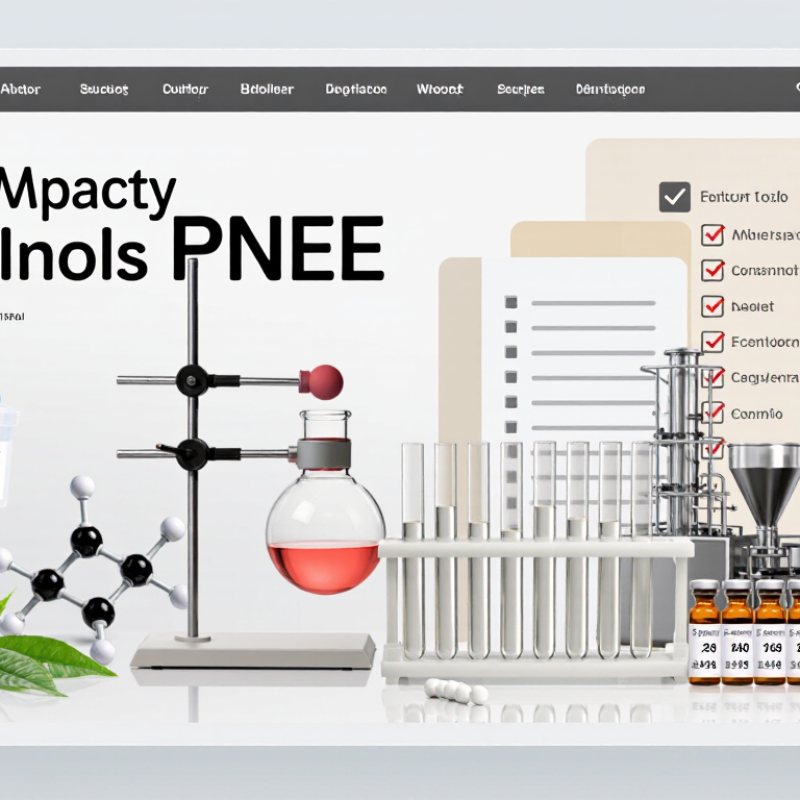
How to Find the Best L Theanine Kaina from Suppliers?

Understanding L-Theanine Kaina and Its Common Applications

In supplier discussions, L-theanine kaina usually refers to the quoted price of L-theanine powder. That price depends on purity, production method, order volume, packaging, and testing requirements. A low quote can look attractive. It may also hide weaker documentation or inconsistent specifications. Ask for a current certificate of analysis, batch number, assay result, moisture level, and microbiological data. Independent laboratory testing adds confidence when the material will enter a finished food or supplement product.

L-theanineis a naturally occurring amino acid commonly associated with tea leaves. Manufacturers often use it in Powdered Drink mixes, capsules, functional beverages, and other wellness formulations.L Theanine And Theanine may appear as related search terms, but buyers should confirm the exact ingredient identity and specification. Check whether the supplier offers synthetic or tea-derived material. These sources can differ in purity, production cost, labeling needs, and application suitability. In practical purchasing, compare the delivered cost rather than the unit price alone. Freight, customs, storage, and retesting can change the real figure. Small details matter. I would also review the supplier’s quality system, traceability process, and response time. A polished document is not proof of reliable production. Product samples, clear specifications, and repeat-batch results provide stronger evidence. Even then, supplier selection requires careful judgment because laboratory results may vary between batches.

Defining Quality, Purity, and Product Specifications

How to Find the Best L Theanine Kaina from Suppliers?

Quality begins with a clear product specification, not an attractive quotation. When evaluating L-theanine Kaina, I review identity, assay, appearance, solubility, moisture, and particle size. These details affect processing and batch consistency. A reliable supplier should provide a recent certificate of analysis for each lot. The report should identify the testing method, laboratory, test date, and acceptance limits. HPLC testing can support identity and purity claims. Independent laboratory verification adds useful confidence.

Purity requires more than a high percentage on paper. I check limits for heavy metals, residual solvents, microbial contaminants, and unwanted substances. The supplier should explain its raw material source and manufacturing controls. GMP-based production, traceable batch records, and controlled storage are important evidence. Packaging should protect the powder from humidity, light, and contamination. Small details matter here.

A polished document is not proof by itself. I have seen specifications that looked complete but lacked method details. That is a warning sign. Ask for samples, compare them with the stated specification, and review several production lots. One successful sample may not represent long-term consistency. I also ask how deviations are investigated and how complaints are handled. Sometimes the best supplier is not the cheapest one. It is the one willing to show evidence, admit limitations, and improve weak points.

How to Find the Best L Theanine Kaina from Suppliers? - Defining Quality, Purity, and Product Specifications

Supplier Evaluation Matrix for L-Theanine
Evaluation Dimension Recommended Quality Benchmark Typical Test or Evidence Why It Matters Supplier Review
Ingredient identity L-Theanine, also known as γ-glutamylethylamide; molecular formula C7H14N2O3 FTIR or comparable identity testing, supported by a certificate of analysis Confirms that the delivered material matches the declared amino-acid ingredient. Pass only when the identity result matches the specification.
Assay and purity Preferably not less than 98.0% L-theanine on the stated test basis; confirm whether results are reported as-is or on a dry basis. HPLC or another validated quantitative method A clear assay value helps compare lots and prevents confusion between active content and total powder weight. Request the method, result, specification, and test basis.
Enantiomeric form L-form confirmed; unwanted D-form should be controlled according to the agreed product specification. Chiral chromatography or an equivalent validated method The declared stereochemical form is part of ingredient identity and product consistency. Do not rely on a generic amino-acid assay alone.
Appearance White to off-white crystalline powder, free from visible foreign matter Visual inspection under defined lighting conditions Unexpected color, agglomeration, or foreign particles may indicate degradation or contamination. Compare the sample with the approved reference standard.
Solubility Soluble in water under the agreed test conditions; the procedure and temperature must be specified. Controlled solubility test using a defined concentration, temperature, and mixing time Useful for beverage, sachet, tablet, and powder applications. Ask for a written test procedure rather than an undefined claim.
Moisture or loss on drying Common purchasing specifications are often set at not more than 1.0–2.0%, subject to the validated method and application. Loss-on-drying or Karl Fischer testing Moisture can affect flowability, stability, weighing accuracy, and microbial risk. Set a limit that matches packaging and storage conditions.
pH of aqueous solution Define a product-specific range, commonly around pH 5.0–7.0 for a dilute aqueous solution. Calibrated pH meter with concentration and temperature recorded Helps identify lot-to-lot variation and compatibility with finished formulations. Require the concentration used for the measurement.
Heavy metals Must comply with the applicable food, dietary supplement, or pharmaceutical limits in the target market; lead, arsenic, cadmium, and mercury should be individually controlled. ICP-MS or ICP-OES report from a qualified laboratory Limits vary by jurisdiction and product category, so a single “total heavy metals” value may be insufficient. Check both numerical results and regulatory limits.
Microbiological quality Total aerobic microbial count, yeast and mold, and specified pathogens must meet the applicable finished-product or raw-material specification. Validated microbiological methods; pathogen testing where required Supports safety and suitability for the intended formulation. Review test dates, sampling plans, and acceptance criteria.
Residual solvents Comply with the applicable limits for the solvents used in manufacturing; if no solvent is used, obtain a documented process statement or test as appropriate. Headspace GC or equivalent validated analysis Demonstrates control of manufacturing-related chemical residues. Request the solvent profile and applicable limits.
Allergen and GMO status Written declaration covering major allergens, genetically modified materials, and cross-contact controls. Signed statement supported by process and raw-material records Required for accurate labeling and market-specific compliance. Verify that the declaration applies to the exact production site and lot.
Manufacturing controls Documented GMP-based quality system with batch records, change control, deviation handling, and traceability. Quality questionnaire, audit report, certification scope, and sample batch records A strong quality system reduces variability and improves recall readiness. Confirm that certification covers the actual ingredient facility.
Certificate of analysis Lot-specific COA showing specification, result, method, batch number, manufacture date, retest or expiry date, and authorized approval. Original or verifiable electronic COA Links laboratory results to the exact material being purchased. Reject generic COAs that do not identify the supplied lot.
Packaging and storage Food-grade, sealed packaging with lot identification; storage should protect the powder from heat, moisture, light, and contamination. Packaging specification, label review, and storage-condition statement Proper packaging helps preserve purity and physical performance during transport and storage. Check seal integrity, desiccant use where applicable, and recommended conditions.
Stability and shelf life Shelf life should be supported by real-time or accelerated stability data under defined packaging and storage conditions. Stability protocol, trend data, and retest or expiry policy Indicates whether assay, appearance, moisture, and microbiological quality remain acceptable over time. Match the evidence to the intended market and packaging format.

Note: Acceptance limits should be finalized according to the intended application, validated analytical methods, destination-market regulations, and the purchaser’s quality agreement.

Identifying Reliable L-Theanine Kaina Suppliers

Finding a reliable L-Theanine Kaina supplier starts with evidence, not attractive pricing. Request a current certificate of analysis for every batch. It should show identity, assay, moisture, heavy metals, microbes, and residual solvents. Ask whether an independent laboratory verified the results. One clean report is useful, but it is not enough.

Experienced buyers also examine traceability. The supplier should identify the manufacturing site, batch number, production date, and storage conditions. Clear records matter when you compare samples or investigate a quality change. For buyers searching Theanine Nz, confirm that documents match the destination market’s import and labeling requirements. Do not assume a supplier understands local expectations. Ask directly.

Communication reveals practical reliability. A dependable supplier answers technical questions without vague promises. They should provide sample quantities, realistic lead times, packaging details, and a written specification. Check how the material arrives: sealed bags, readable labels, and no unusual odor or moisture. Small details count. I once overlooked response delays because the quoted price seemed efficient. That decision would have increased production risk. A second supplier review, including recent batch data and customer references, is worth the extra time. Supplier audits are helpful, but they can feel incomplete when access is limited. Keep questioning the gaps.

Checking Manufacturing Standards and Quality Certifications

Finding the best L-Theanine supplier starts with manufacturing evidence, not attractive product claims. Ask for a current GMP certificate, ISO 22000 certification, and a complete manufacturing-site address. ISO’s Survey 2023 recorded more than 1.2 million ISO 9001 certificates worldwide. Yet certification alone does not prove ingredient purity. Check its scope, expiry date, and issuing body.

Request a batch-specific certificate of analysis before placing a large order. It should show L-Theanine identity, assay, moisture, microbial limits, heavy metals, and residual solvents. Independent testing adds confidence. AOAC International methods or validated HPLC testing can support identity and potency results. The report should match the lot number printed on the sealed drum. Small details matter.

Inspect the facility’s traceability process. A reliable producer should explain raw-material approval, allergen controls, cleaning records, and recall procedures within minutes, not weeks. WHO estimates that contaminated food causes 600 million illnesses annually, showing why hygiene controls deserve serious attention. For buyers comparing “Theanine Up” options, request stability data under controlled temperature and humidity. I would also ask for three recent COAs, though this is not a perfect safeguard. Paperwork can look excellent while sampling remains weak. A factory video helps, but an independent audit is stronger.

Comparing Supplier Pricing, Minimum Orders, and Lead Times

Finding a reliable L Theanine Kaina supplier requires more than comparing the lowest quotation. I begin with a clear specification, including purity, particle size, packaging, and testing requirements. For Ql Theanine, ask for a recent certificate of analysis from the actual production batch. Check assay results, moisture, heavy metals, and microbiological limits. A polished document is not enough.

Supplier pricing should be compared on landed cost, not unit price alone. Include freight, inspection fees, customs charges, and payment terms. A supplier offering 100 kilograms at a low price may seem attractive. However, an 800-kilogram minimum order can tie up cash and create storage pressure. Smaller trial orders often cost more per kilogram, but they reduce inventory risk. I once focused too heavily on the quotation and overlooked inner packaging costs. That mistake changed the real price.

Lead time needs practical verification. Ask how many days cover production, testing, packing, and dispatch. Request separate estimates for samples, first orders, and repeat orders. A supplier promising seven days may mean seven days after manufacturing begins. Clarify whether raw materials are already available. Also confirm the shipping location and standard documents. Keep written records of every commitment. Delays happen. A supplier who reports them early is often more dependable than one who stays silent. Half the comparison is communication.

Verifying Samples, Testing Reports, and Regulatory Compliance

How to Find the Best L Theanine Kaina from Suppliers?

When sourcing L-theanine, a low quotation is only a starting point. Ask suppliers for a representative sample from a current production lot, not a hand-picked portion. Record its lot number, packaging condition, appearance, solubility, and odor. In practice, these details can reveal moisture exposure or poor handling. Taste is useful, but it does not prove identity. Keep that distinction clear.

Request a complete certificate of analysis, then compare it with independent laboratory results. The report should show the analytical method, specification limits, test date, and laboratory authorization. Useful checks include HPLC identity and assay, heavy metals, microbial counts, residual solvents, and water content. Confirm that the sample and report carry the same lot number. Ask for chromatograms when available. A polished PDF is not evidence by itself. Test before trusting. Some documents look convincing but lack method details.

Regulatory review should match your destination market and product category. Check manufacturing controls, batch traceability, allergen statements, change-control procedures, and current GMP evidence. ISO certification may support a review, but it cannot replace product testing or local requirements. Verify permitted use, labeling rules, and documentation with a qualified regulatory professional. Keep records together. No supplier is perfect. A missing document may be fixable, or it may signal weak quality culture. Treat uncertainty as a reason to test more, not to guess.

L-Theanine for Anxiety Relief and Better Sleep: Benefits, Uses, and What to Know

L-theanine is an amino acid naturally found in tea and is widely used in dietary supplements designed to support relaxation without causing heavy drowsiness. For people experiencing occasional stress or difficulty winding down at night, it may promote a calmer mental state and support better sleep quality. Its gentle profile makes it suitable for daytime use, evening routines, or combination formulas with other sleep-support ingredients. Individual responses can vary, and it should not be viewed as a replacement for professional care or prescribed treatment.

When choosing an L-theanine product, consider its purity, manufacturing consistency, dosage guidance, and supply reliability. Advances in chemical synthesis technology have helped improve production efficiency while reducing costs by more than 30%, making high-quality L-theanine more accessible for supplement manufacturers and consumers. Improved process control can also support consistent specifications from batch to batch, an important factor for products intended for regular use.

A stable global supply offers additional advantages, including more predictable purchasing, fewer interruptions, and better planning for finished-product production. Users should follow the recommended serving size on the label and consult a qualified healthcare professional if they are pregnant, taking medication, or managing persistent anxiety or sleep problems.

FAQS

What documents should I request from an L-theanine supplier?

Request a current, batch-specific certificate of analysis. It should list identity, assay, moisture, microbes, heavy metals, and residual solvents. One report is not enough. Ask for independent laboratory verification.

How can I check whether the test report matches the product?

Compare the report’s lot number with the number on the sealed drum. Check the production date and testing date. Ask about the testing method. Mismatched numbers are a serious warning.

Which manufacturing certifications are useful?

Request current GMP and ISO 22000 certificates. Check their scope, expiry date, and issuing body. Certification supports confidence, but it does not prove complete purity.

What traceability details should a supplier provide?

The supplier should identify the manufacturing site, batch number, production date, and storage conditions. Ask how raw materials are approved. Also request cleaning, allergen-control, and recall records.

How should I evaluate product packaging?

Inspect the sample when it arrives. Look for sealed bags, readable labels, dry material, and no unusual odor. Moisture inside the package may indicate poor storage.

Should I request stability data before ordering?

Yes. Ask for stability data under controlled temperature and humidity. Confirm the proposed storage conditions. The answer should include practical limits, not vague promises.

What communication behavior suggests supplier reliability?

Reliable suppliers answer technical questions clearly. They provide sample quantities, realistic lead times, packaging details, and written specifications. Slow replies can create production risk. Price is not everything.

Are supplier audits and factory videos enough?

No. A factory video can show useful details, but an independent audit is stronger. Limited site access leaves unanswered questions. I would still review three recent certificates of analysis and customer references. Paperwork can look excellent while sampling remains weak.

Conclusion

Finding the best L Theanine Kaina supplier begins with understanding the ingredient’s common applications, such as use in dietary supplements, functional beverages, and wellness-focused products. Buyers should clearly define required purity, potency, physical form, packaging, shelf life, and other product specifications before contacting suppliers. This helps ensure that product comparisons are accurate and aligned with the intended application.

Reliable suppliers should be evaluated through their manufacturing standards, quality certifications, traceability procedures, and consistency of production. Buyers should compare pricing, minimum order quantities, payment terms, and lead times while considering total purchasing costs rather than unit price alone. Before placing a large order, request representative samples, independent testing reports, certificates of analysis, and documentation confirming regulatory compliance for the target market. A careful review of communication, technical support, quality control, and delivery performance can help identify a dependable long-term supplier.


Sophie

Sophie

Sophie is a dedicated marketing professional at Risun Bio-Tech Inc, a pioneering technology-oriented enterprise specializing in the research and development, production, and sales of natural Plant Extracts. With a strong commitment to the industry, she possesses an extensive understanding of the......
Previous 10 Best Kiwi Powder Benefits for Global Buyers?