Leave Your Message
0%

Buying L Creatine Powder in bulk can definitely bring down the cost per unit. But honestly, price shouldn't be the only thing you look at. When you're ordering large amounts, you've got to check purity, paperwork, packaging, and whether the supplier is actually reliable. A really low quote? Sometimes that's a sign of weak testing, shaky supply, or storage conditions that just won't cut it. And that risk? It's worth paying attention to.

Most experienced buyers start out by figuring out what they actually need the product for, how much they’ll order, and which specs matter. If it’s sports nutrition—say, creatine monohydrate—people usually look at identity, purity, moisture, and microbial quality. It’s worth asking the supplier for a current Certificate of Analysis, along with the testing methods, batch details, and shelf-life info. And if you’re buying several kilograms or more, an independent lab check can give you some extra peace of mind. Honestly, it’s a practical safeguard—not just unnecessary paperwork.

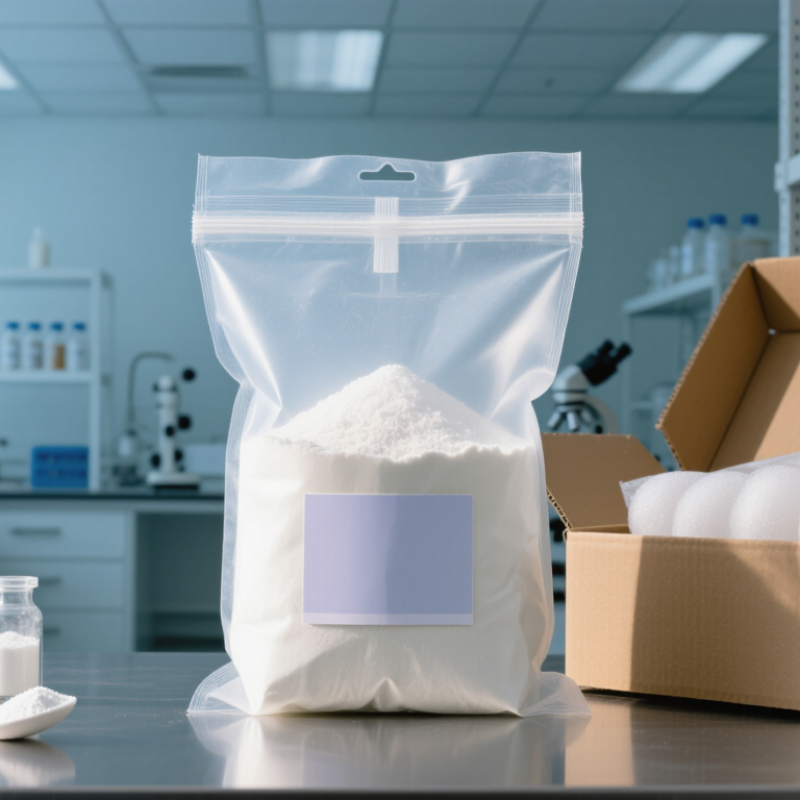
Packaging matters too. Moisture-resistant bags, sealed inner liners, and clear batch labels go a long way toward protecting the powder during transport and storage. Before you approve a full shipment, ask for samples. Compare appearance, solubility, odor, and how consistent the documents are—though keep in mind these checks aren’t a substitute for lab testing. And do keep records of quotations, samples, test reports, and delivery performance. Those small details tend to matter later on.

Supplier experience definitely helps, but honestly, it’s not proof of quality. You still want to check their manufacturing capabilities, quality controls, export experience, and how well they communicate. And before you sign anything, get clear answers on minimum order quantities, lead times, payment terms, and after-sales procedures. Some suppliers reply fast but give you incomplete evidence—that’s usually a good reason to pause and think.

When you're buying in bulk, you want a choice that actually works: it should balance price, quality, traceability, and what your business really needs. And don't forget—buyers should double-check that any product claims they plan to make, plus how they'll distribute it, line up with the rules that apply. Honestly? The best decision isn't always the cheapest one. It's the one you can still stand behind after testing, delivery, and hearing what customers think.
How to Buy L Creatine Powder in Bulk?

Understanding Bulk L-Creatine Powder and Its Common Uses

Understanding Bulk L-Creatine Powder and Its Common Uses

L-creatine powder is commonly used to support repeated, high-intensity exercise. Athletes may mix it with water, juice, or a post-workout shake. Some people also use it during strength training cycles. Bulk purchasing can lower the cost per serving. However, a large container is not automatically a better choice.

Look for a clear ingredient label and a defined serving size. Pure creatine monohydrate is often selected because it has substantial research behind it. Check the lot number, expiration date, and storage instructions before buying. A reliable supplier should provide recent independent testing or a certificate of analysis. This document can show identity, purity, and possible contamination results. I once assumed a lower price meant better value. The smaller package actually had fresher packaging and clearer testing information.

Tips: Compare the cost per gram, not the container price. Choose sealed, moisture-resistant packaging. Store the powder in a cool, dry cupboard. Use a clean, dry scoop. Clumping may happen in humid rooms, but unusual odor or discoloration deserves caution. Buy only the amount you can use within its stated shelf life. People with kidney conditions, ongoing medical treatment, or pregnancy should ask a qualified healthcare professional before regular use. Personal response can vary, and more powder does not mean better results.

How to Buy L-Creatine Powder in Bulk? Understanding Bulk L-Creatine Powder and Its Common Uses

Estimated number of days supported by 1 kg of pure creatine powder under commonly used dosing protocols.

Creatine monohydrate is commonly used as a daily supplement for repeated high-intensity exercise and strength training. A typical maintenance dose is 3–5 g per day, while a loading protocol may use approximately 20 g per day for 5–7 days before switching to a maintenance dose. Estimates assume 1 kg of powder, accurate weighing, and no product loss.

Defining Your Bulk Purchase Quantity and Product Requirements

Before requesting a bulk quotation, define the actual serving requirement.

“L-creatine” is not a universally standardized commercial name, so confirm whether you need creatine monohydrate. The International Society of Sports Nutrition reports that 3–5 grams daily supports routine supplementation, while loading commonly uses 20–25 grams daily for five to seven days. That difference changes your purchase volume quickly.

For example, 100 users taking five grams daily require 15 kilograms for a 30-day supply. Add a practical buffer of 5–10% for filling losses, sampling, and damaged packaging.

Do not purchase only by price per kilogram. Specify assay, moisture limit, particle size, packaging format, shelf life, and storage temperature. Request a recent certificate of analysis for every production lot. Test identity, purity, heavy metals, and microbiological quality through an independent laboratory when the order is substantial. Small details matter.

The 2024 Global Dietary Supplements Market report from Grand View Research identifies sports nutrition as a major growth segment, increasing pressure on suppliers and buyers. However, market growth does not prove product quality.

Review the supplier’s audit history, traceability records, and recall process. Ask how many months remain before expiry at delivery. Keep it practical.

A 25-kilogram bag may look efficient, yet it can create moisture exposure after opening. I would reconsider that format for smaller facilities. Sealed 1–5 kilogram units may cost more but reduce handling risk. Bulk purchasing should match consumption, testing capacity, and storage reality.

Checking Creatine Purity, Form, Testing, and Certification

How to Buy L Creatine Powder in Bulk?

Buying creatine powder in bulk requires more than comparing prices. Purity should be checked through a recent certificate of analysis for each production lot. Look for assay results, identity testing, moisture levels, heavy metals, and microbial limits. A clear lot number should connect the document to the physical packaging.

Creatine monohydrate is widely studied and usually offers the strongest evidence. Micronized powder may disperse more easily, but smaller particles do not automatically mean higher purity. Inspect the powder for unusual odor, damp clumps, or inconsistent color. These signs are not proof of contamination, yet they deserve questions.

Testing should come from an independent laboratory, preferably one accredited to ISO/IEC 17025 standards. GMP certification can show controlled manufacturing, while third-party certification may add useful quality checks. Still, certification is not a substitute for reviewing actual test results.

Ask about packaging seals, storage temperature, shelf life, and batch traceability. Keep records.

Be careful with combined-product claims. “Nmn And Creatine” may appear in search results, but each ingredient needs separate identity and safety documentation. Mixing ingredients can complicate testing and dosage control.

A common mistake is trusting a polished certificate without checking its date or laboratory details. I would slow down there. Bulk savings are meaningless if the powder fails verification or becomes unusable during storage.

Comparing Suppliers, Pricing, Packaging, and Minimum Order Sizes

Buying L Creatine Powder in bulk requires more than finding the lowest quotation. According to Grand View Research’s 2024 analysis, the global creatine supplements market was valued at about USD 685 million in 2023. Demand is growing, but quality controls still separate reliable suppliers from risky offers. Request a recent certificate of analysis, testing creatine identity, purity, moisture, and microbiological limits. The 2017 International Society of Sports Nutrition position stand supports creatine monohydrate as a well-researched option, commonly used at 3–5 grams daily.

Compare pricing per kilogram, not per pouch. A supplier quoting USD 18 per kilogram may exclude testing, freight, relabeling, or customs handling. Packaging also changes the real cost. A 25-kilogram lined bag saves space, while 500-gram tubs improve retail presentation but increase labor and material expenses. Ask whether packaging protects against humidity. Creatine powder can cake when storage conditions are poor. Minimum order sizes often range from sample quantities to several hundred kilograms, depending on customization. A Bio Tech Creatine listing should still be checked through documents, not attractive wording.

Tips: Request a paid sample before signing a large order. Compare three written quotations using identical specifications. Confirm batch coding, shelf-life evidence, pallet dimensions, and replacement terms for failed testing. Keep a small retained sample from each shipment. It sounds cautious. It is. I would also record powder color, texture, and odor on arrival, although these observations cannot replace laboratory analysis. A spreadsheet helps, but it can still hide weak assumptions.

Reviewing Storage Conditions, Shelf Life, and Shipping Policies

How to Buy L Creatine Powder in Bulk?

Bulk buying can reduce packaging waste and lower the unit cost. However, storage conditions deserve equal attention. Choose sealed, food-grade packaging with a clear lot number and expiration date. A recent certificate of analysis can support quality checks, especially for large orders. Research on L Creatine Benefits is useful, but product quality still depends on handling.

Store the powder in a cool, dry cupboard away from sunlight, steam, and heating equipment. Moisture is the main concern. Use an airtight container after opening, and keep the original label nearby. A clean scoop prevents contamination. Do not refrigerate it. Condensation may create problems.

Check the stated shelf life before ordering several kilograms. An unopened package may remain stable until its printed date, while repeated opening can shorten practical freshness. Clumping is a warning sign. Not always a disaster, but worth examining carefully. I would avoid powder with unusual odor, discoloration, damaged seals, or visible contamination.

Shipping policies should explain delivery times, protective packaging, tracking, and replacement procedures. Ask how the seller handles heat exposure, wet parcels, and punctured bags. Photograph damaged packaging immediately. Check the return window before payment. A low price means little if delayed shipping or poor sealing ruins the product. My earlier buying habit was too focused on cost; storage planning matters just as much.

Placing the Order and Verifying the Delivered Product

When buying L Creatine Powder in bulk, place the order only after confirming the product specification. Ask for the exact creatine form, mesh size, net weight, batch number, and packaging method. A reliable supplier should provide a current certificate of analysis, not an old template. The document should show purity, moisture, heavy metals, microbiological results, and testing dates. Confirm the minimum order quantity, lead time, payment terms, and delivery conditions in writing.

Before shipment, request clear photos of the sealed cartons and inner bags. Check that the labels match your purchase order. If the inquiry includes products such as Creatine Ashwagandha, verify that each item has a separate specification and test report. Similar names can create costly confusion. Ask how samples are collected and tested. Independent laboratory verification is preferable for large purchases, especially when the powder will enter a controlled manufacturing process.

Tips: Inspect the delivery before signing. Photograph damaged cartons, broken seals, wet packaging, and incorrect labels. Record the lot number immediately. Compare the powder’s color, texture, odor, and weight with the approved sample. Do not rely on appearance alone. A clean-looking powder may still fail testing. I would quarantine questionable goods until laboratory results arrive. My own ordering checklist would include one extra review, because small paperwork errors can become expensive mistakes.

Goji Berry Powder: Immune Support, Anti-Aging Benefits, Uses, and Buying Tips

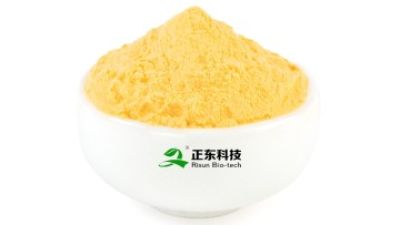
Goji berry powder is made from dried berries of *Lycium barbarum* and is valued for its naturally occurring polysaccharides, carotenoids, vitamin C, and polyphenols. According to USDA FoodData Central, dried goji berries provide fiber, iron, and antioxidant-related nutrients, while research summarized by the National Institutes of Health indicates that antioxidant compounds help protect cells from oxidative stress. These nutrients may support normal immune function and healthy skin maintenance, although Goji Powder should complement—not replace—a balanced diet or medical treatment.

For daily use, mix a measured serving into smoothies, yogurt, oatmeal, or warm beverages. Its mild sweet-tart flavor makes it suitable for wellness drinks and functional food formulas. “Anti-aging” benefits should be understood as nutritional support for healthy aging rather than a guaranteed cosmetic or medical effect. Consumers should review the ingredient list, allergen statement, serving size, origin, moisture control, and available certificate of analysis before purchasing. Organic status and contaminant testing may also be important, especially for products sourced internationally.

A dependable supply option should come from a GMP workshop operating in accordance with applicable EU standards, with documented testing for identity, heavy metals, pesticides, microbes, and adulteration. Working with a supplier that has 20 years of supplement raw-material experience can provide stronger batch consistency, traceability, and technical support for private-label or formulation projects.

FAQS

What form of creatine should I specify for a bulk order?

Confirm whether you need creatine monohydrate. “L-creatine” may not identify a standardized commercial form. Do not guess.

How much creatine is needed for 100 daily users?

At five grams daily, 100 users need 15 kilograms for 30 days. Add 5–10% for losses, samples, and damaged packaging.

Which product requirements should appear in the quotation request?

Specify assay, moisture limit, particle size, packaging format, shelf life, and storage temperature. Small details can prevent expensive misunderstandings.

What documents should I request from the supplier?

Request a recent certificate of analysis for every production lot. The lot number must match the physical package and test document.

Which quality tests matter most?

Check identity, purity, moisture, heavy metals, and microbiological quality. For large orders, use an independent laboratory when practical.

Does a smaller particle size prove higher purity?

No. Micronized powder may disperse more easily, but particle size does not automatically confirm purity.

What physical warning signs should I inspect?

Look for unusual odor, damp clumps, or inconsistent color. These signs are not proof of contamination, but they deserve investigation.

Are certifications enough to approve a bulk shipment?

No. Review actual test results, laboratory details, dates, traceability, and audit records. A polished certificate can still deserve closer checking.

Which packaging format suits smaller facilities?

Sealed one-to-five-kilogram units may reduce moisture exposure after opening. A 25-kilogram bag may be efficient, but I would reconsider it.

What storage and delivery details should I confirm?

Ask about sealed packaging, storage temperature, remaining shelf life, and recall procedures. Bulk savings mean little if the powder becomes unusable.

Conclusion

Buying L Creatine Powder in bulk requires more than choosing the lowest price. Start by clarifying how much you need, how often it will be used, and which product form, purity level, and specifications suit your requirements. Review independent testing results, certificates, and documentation that confirm identity, quality, and consistency. It is also important to compare suppliers according to pricing, minimum order quantities, packaging options, communication, and production or handling standards.

Before placing an order, check the recommended storage conditions, shelf life, lot information, and shipping policies. Choose packaging that protects the powder from moisture, heat, and contamination during transport and storage. After delivery, inspect the outer packaging for damage, confirm the product name, quantity, batch details, and expiration information, and compare the received materials with the order documents. Careful evaluation at each stage can help ensure that your bulk purchase of L Creatine Powder matches your quality, budget, and practical storage requirements.
Ethan

Ethan

Ethan is a dedicated marketing professional at Risun Bio-Tech Inc, a technology-oriented enterprise renowned for its expertise in the research, development, production, and sales of natural Plant Extracts. With a robust understanding of the industry, Ethan specializes in promoting the company’s......
Previous China Top Glutathione And Milk Thistle Suppliers?