Leave Your Message
0%

So Kiwi Powder is basically the bright, tangy personality of fresh kiwifruit, just in a shelf-stable form. You can stir a spoonful into yogurt, toss it in a smoothie, or sprinkle some into overnight oats for a little color pop. But here's the thing—what does it actually offer? Well, that kind of depends. The fruit itself, how it's processed, how much you use, and what the label says all play a part.

Here’s a guide that breaks down 10 kiwi powder benefits and ways you can actually use the stuff—like giving your food a fruity kick or just making everyday recipes a little easier. It also tries to sort out which nutrition claims are legit and which ones you should probably take with a grain of salt. And for some science backup, there’s Dr. Anitra Carr, a vitamin C researcher whose work ties it all back to health. Honestly, the main thing I took away from that research is pretty simple: the nutrients in what you eat matter, but no single ingredient can replace eating a variety of foods. Just to be clear, that's my interpretation, not a direct quote.

And the details really do matter. Some kiwi powders are just straight-up dried kiwi, while others have added sugar, carriers, or flavorings. The processing method can also mess with nutrient levels, so seeing 'made from kiwi' on the label doesn't tell the whole story. You really have to check the ingredients, serving size, and storage directions. And start small—taste it before you go all in.

Sure, kiwi powder can be super handy for hectic mornings, throwing in your bag for travel, or tossing into recipes when you don't have fresh fruit around. But let's be real—it's not some miracle cure. What you get out of it depends a lot on the brand and, honestly, on your own body. A bit of healthy skepticism goes a long way. In the next sections, I'll walk you through what the evidence actually says, how you can use the stuff, and a few things worth thinking about before you stock your pantry with it.
10 Best Kiwi Powder Benefits and Uses?

What Is Kiwi Powder and How Is It Made?

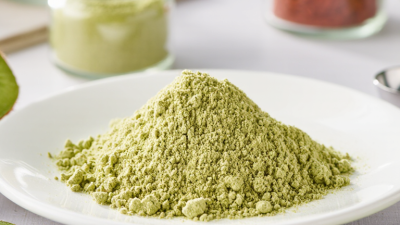
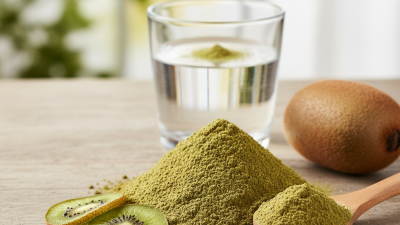
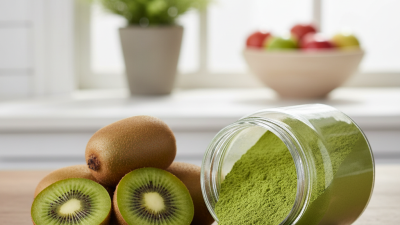
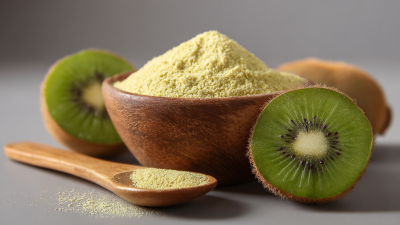
Kiwi Powder is made from fresh kiwifruit that has been dried and ground into a fine powder. Depending on the product, it may contain peeled fruit, skin, or both, so the ingredient label is worth checking. The powder usually tastes tangy and fruity, with a green or golden color that reflects the kiwifruit used. It is not quite the same as fresh fruit: drying changes its texture and can affect heat-sensitive nutrients, including vitamin C.

Making it begins with ripe fruit that is washed, sorted, and prepared. Some processors peel it; others retain the skin. The fruit is then dried, often by freeze-drying or controlled warm-air dehydration, until much of its moisture is removed. Freeze-drying uses low temperatures, while warm-air methods expose fruit to heat for longer. Neither method guarantees identical flavor or nutrient levels. The dried pieces are milled into powder and packed to limit exposure to air and moisture. That matters: a damp spoon can leave clumps in the container. Production details vary, and labels do not always explain them clearly. A little uncertainty remains. Choosing a powder with clear ingredient and processing information makes it easier to understand what is actually in the jar.

What Nutrients Does Kiwi Powder Contain?

What Nutrients Does Kiwi Powder Contain?

Kiwi powder can provide carbohydrates, dietary fiber, and naturally occurring micronutrients, but its exact profile depends on the fruit, drying method, and serving size. USDA FoodData Central lists raw green kiwifruit per 100 grams as containing 92.7 milligrams of vitamin C, 3 grams of fiber, and 312 milligrams of potassium. These figures describe fresh fruit, not every powder. Water removal concentrates some nutrients by weight, while heat and storage may reduce vitamin C. The label matters.

Kiwi also contains folate, vitamin K, and plant compounds such as carotenoids. Their levels vary, so a powder’s nutrition panel is more useful than assuming all products are equivalent. A spoonful stirred into yogurt may add fruit flavor and fiber, but it is not automatically a substitute for whole kiwi. Texture can be gritty. That detail is easy to overlook.

Tips: Check the serving size and ingredient list, then compare fiber and added-sugar values. Choose a product with clear nutrition information, and store it tightly sealed in a cool, dry cupboard. USDA FoodData Central is a nutrient reference database; its fresh-kiwi values are a benchmark, not a guaranteed powder analysis.

How May Kiwi Powder Support Digestive Health?

Kiwi Fruit Powder may support digestive health by adding fiber to smoothies, yogurt, or oatmeal. Fiber helps add bulk to stool, while fluid helps it move through the bowel. USDA FoodData Central lists about 3 grams of fiber per 100 grams of raw green kiwifruit. Powder values can differ, though. Drying removes water, and serving sizes and processing methods vary.

Human research offers a useful clue, but not a direct guarantee for powder. A 2023 randomized trial reported in the American Journal of Gastroenterology followed 184 adults with constipation or irritable bowel syndrome with constipation. Participants eating two green kiwifruit daily for four weeks experienced improved bowel movement frequency and comfort. The study tested whole fruit, not kiwi powder. That distinction matters.

For practical use, check the package’s fiber amount and begin with a modest serving mixed into a drink or soft food. Drink enough water, especially if you increase fiber. Some people may notice gas or bloating. This is not a failure; it may mean the serving is too large, or the product does not suit them. Evidence on kiwi powder itself remains limited, so digestive effects should not be assumed to match fresh fruit.

What Are the Potential Benefits of Kiwi Powder?

Natural Kiwi Fruit Powder may provide vitamin C, fiber, and fruit-derived plant compounds, depending on how it is made. USDA FoodData Central reports about 92.7 mg of vitamin C and 3 g of fiber per 100 g of raw green kiwifruit. Those figures describe fresh fruit, not powder; drying and processing can change nutrient levels. That distinction is easy to miss.

Vitamin C contributes to normal collagen formation and immune function, as described by the NIH Office of Dietary Supplements. Kiwi powder may be a convenient way to add fruit flavor to yogurt, oatmeal, or smoothies. Its fiber content could also support a fiber-rich diet, but the amount varies by product and serving size. Evidence for whole kiwifruit should not automatically be treated as proof of identical benefits from powder. A little caution helps.

Tips: Check the nutrition label for serving size, fiber, and added sugar. Stir a small spoonful into plain yogurt, then adjust to taste; kiwi’s tang can be sharp. Choose products that state the fruit content clearly. If you have a kiwi allergy, avoid it.

10 Best Kiwi Powder Benefits and Uses? - What Are the Potential Benefits of Kiwi Powder?

# Potential Benefit or Use What It May Offer Practical Use or Important Note
1 A convenient fruit ingredient Powdered kiwi can add fruit flavor without needing to peel or slice fresh fruit. Stir into smoothies or drinks. Check the ingredient list for added sugar or other ingredients.
2 A source of vitamin C, depending on processing Kiwi fruit naturally contains vitamin C, which supports normal collagen formation and immune function. Vitamin C levels can vary and may decline during processing or storage; consult the product’s nutrition label.
3 May contribute dietary fiber Powder made from whole fruit may retain some fiber, which contributes to a healthy diet and normal bowel function. Fiber content depends on whether the skin and pulp are included and how the powder is made. Check the label.
4 Adds fruit flavor to yogurt or oatmeal Its tangy, fruity taste can add variety to everyday foods. Mix into plain yogurt, porridge, or overnight oats; taste first, since sweetness and tartness vary by product.
5 Provides a source of fruit-derived plant compounds Kiwi contains naturally occurring plant compounds. Their amount in powder depends on the fruit and processing method. Use it as a food ingredient; the amount of these compounds is not reliably inferred from color or serving size alone.
6 A colorful addition to recipes Kiwi powder can give foods a green hue and a fruity note. Try it in smoothie bowls, chia pudding, or homemade sauces. Color may change with heat and storage.
7 Can be used in baking A small amount can add fruit flavor to baked goods and snack recipes. Add to batters or homemade energy bites. It may alter moisture, flavor, or color, so adjust recipes gradually.
8 May provide potassium Kiwi fruit naturally contains potassium, a mineral involved in normal muscle and nerve function. The amount per serving varies by powder. People on potassium-restricted diets should follow medical advice.
9 A way to vary fruit intake Unsweetened kiwi powder can add fruit-derived flavor to meals and snacks. It is not automatically nutritionally equivalent to fresh kiwi; drying can concentrate sugars, and some products contain added ingredients.
10 A shelf-stable pantry ingredient Unlike fresh fruit, a properly stored dry powder can be convenient to keep on hand. Follow the package storage instructions and use a clean, dry utensil. Discard it if its appearance or smell changes unexpectedly.

Note: Kiwi powder varies by fruit, processing, and added ingredients. Benefits associated with whole kiwi should not be assumed to apply equally to every powder. Kiwi can trigger allergic reactions in some people.

How Can You Use Kiwi Powder in Everyday Foods?

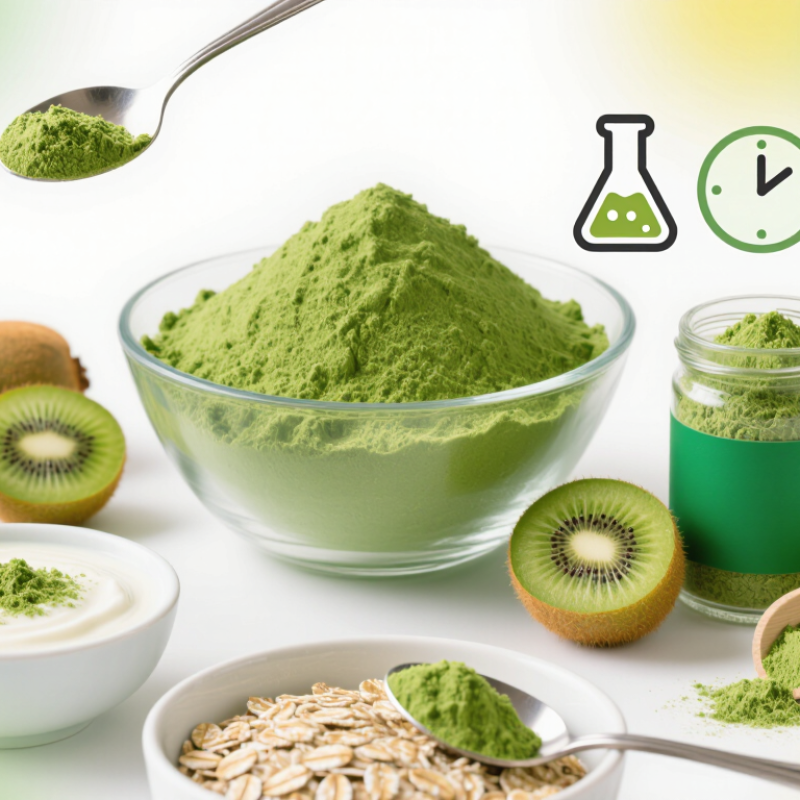
Kiwi powder works best as a small, tart addition rather than a full fruit replacement. Stir a teaspoon into plain yogurt, then add oats and sliced pear for a quick breakfast. It also blends into smoothies with banana or milk, though its acidity can sharpen the flavor. Taste matters. For a simple dressing, whisk a little powder with olive oil, lemon juice, and honey; add it gradually, since too much can overwhelm delicate greens.

The USDA FoodData Central entry for raw green kiwi reports 92.7 milligrams of vitamin C and 3 grams of fiber per 100 grams. Those figures describe fresh fruit, not kiwi powder, whose nutrient levels vary with processing and serving size. Check the package’s nutrition panel rather than assuming powder offers the same amounts. The U.S. Dietary Guidelines for Americans recommend 1.5 to 2 cups of fruit daily for many adults, depending on calorie needs; kiwi powder can add flavor, but it should not stand in for varied whole fruit. In baking, mix a small amount into muffin batter or overnight oats. Heat may affect some nutrients. I’d keep the powder sealed and dry, too—clumping is easy, and the flavor can fade.

How to Choose, Store, and Use Kiwi Powder Safely

Choose kiwi powder by reading the ingredient list, not just the front label. Ideally, it lists kiwi alone, with no added sugar or unnecessary fillers. Check the package for allergen warnings and clear storage instructions. Color can vary from green to muted brown, so shade alone does not prove quality. A fresh, mildly tart smell is more useful; discard powder that smells musty or shows moisture clumps. Small details matter.

Store it in a tightly sealed container, away from sunlight, heat, and steam. A dry cupboard works well. Use a clean, dry spoon, and follow the maker’s date guidance after opening. Kiwi powder can add tart flavor to oatmeal, yogurt, smoothies, or baking, but high heat may reduce some heat-sensitive nutrients. Start with a small serving, since concentrated fruit may bother a sensitive stomach. Stop if you notice itching, swelling, or breathing trouble, and seek urgent medical care for severe symptoms. People with kiwi allergies should avoid it; anyone managing a medical condition can ask a clinician before regular use. Even if you arrived while researching Goji Berry Powder Benefits, assess kiwi powder on its own merits. Labels are not always perfect. Check them anyway.

FAQS

What nutrients can kiwi powder contain?

It may contain carbohydrates, fiber, vitamin C, potassium, folate, vitamin K, and plant compounds. Levels vary by product.

Does kiwi powder have the same nutrients as fresh kiwi?

Not necessarily. Drying can concentrate nutrients by weight, while heat and storage may reduce vitamin C. Check the label.

How much vitamin C is in kiwi powder?

There is no single amount for every powder. Fresh green kiwi contains about 92.7 milligrams per 100 grams, but that figure does not describe powder.

Can kiwi powder add fiber to a meal?

It may add fiber, depending on the serving size and product. Compare the nutrition panel. Small details matter.

How can I use kiwi powder?

Stir a small spoonful into plain yogurt, oatmeal, or a smoothie. The tang can be sharp, so adjust to taste.

Is kiwi powder a substitute for whole kiwi?

Not automatically. Whole fruit and powder can differ in texture, nutrients, and serving size. That assumption is a little too neat.

What should I check on the label?

Look for serving size, fiber, added sugar, and clear fruit-content information. A powder can also feel gritty.

Who should avoid kiwi powder?

Anyone with a kiwi allergy should avoid it. If you are unsure, do not guess.

Conclusion

Kiwi powder is made by drying ripe kiwifruit and milling it into a fine, convenient ingredient. It can retain some of the fruit’s naturally occurring nutrients, such as fiber, vitamin C, and plant compounds, though the amount may vary depending on how it is processed. Kiwi Powder Benefits may include adding fruit flavor and nutrients to everyday meals, while its fiber can contribute to a balanced diet and support normal digestion.

Stir kiwi powder into smoothies, yogurt, oatmeal, or baking recipes for a simple way to use it. When choosing a product, check the ingredient list and follow the serving guidance on its packaging. Store it sealed in a cool, dry place, and use a clean, dry spoon to help maintain its quality. Introduce it in modest amounts, especially if you are unfamiliar with it, and avoid it if you know you are sensitive to kiwi.
Ethan

Ethan

Ethan is a dedicated marketing professional at Risun Bio-Tech Inc, a technology-oriented enterprise renowned for its expertise in the research, development, production, and sales of natural Plant Extracts. With a robust understanding of the industry, Ethan specializes in promoting the company’s......
Previous What Is Gluta One and How Does It Work?