+86 13759939507 


When you're on the hunt for the right Fruit Enzyme Powder manufacturer, it’s about more than just comparing prices or getting eye-catching packaging. Honestly, savvy buyers know they need solid proof of consistent quality, reliable documentation, and hands-on production know-how. So, I’ve put together a list of seven top manufacturers to consider—like ADM, Kerry, Enzymedica, NOW Foods, NutriBiotic, Pure Encapsulations, and DSM-Firmenich. Just a heads up—what these guys offer might vary depending on where you are, the type of product, or your supply agreement.
One piece of advice from enzyme expert Dr. Robert A. Copeland sticks with me: “Enzymes are biological catalysts.” Basic, but super important to keep in mind when you’re looking at things like enzyme activity, fruit sources, carriers, or even processing temperatures. A trustworthy supplier should always be ready to share a current Certificate of Analysis, microbial test results, allergen info, and traceability details for each batch. And don’t forget to check their stability data—especially since powders can travel through humid warehouses or warm shipping routes, which can impact quality. Good manufacturing practices? Absolutely essential.
Sometimes, it’s the little details that really set one company apart from another.
In this review, I’ve looked at stuff like transparency around raw materials, technical support offered, minimum order quantities (MOQs), packaging options, and whether they’re ready to export. It’s also important that they can clearly explain how they measure activity units. Just because something’s labeled “natural” doesn’t automatically mean it’s effective. Sometimes, a lower price might hide weaker potency, inconsistent sourcing, or limited testing. And honestly, some info you find online might still be incomplete—that’s something to keep in mind instead of ignoring it. Buyers should always double-check certifications and make sure products meet the regulatory standards of their target markets. No single ranking can be perfect, but the best choice depends on what you need, your budget, the documentation you require, and how reliable the supplier is for the long haul.
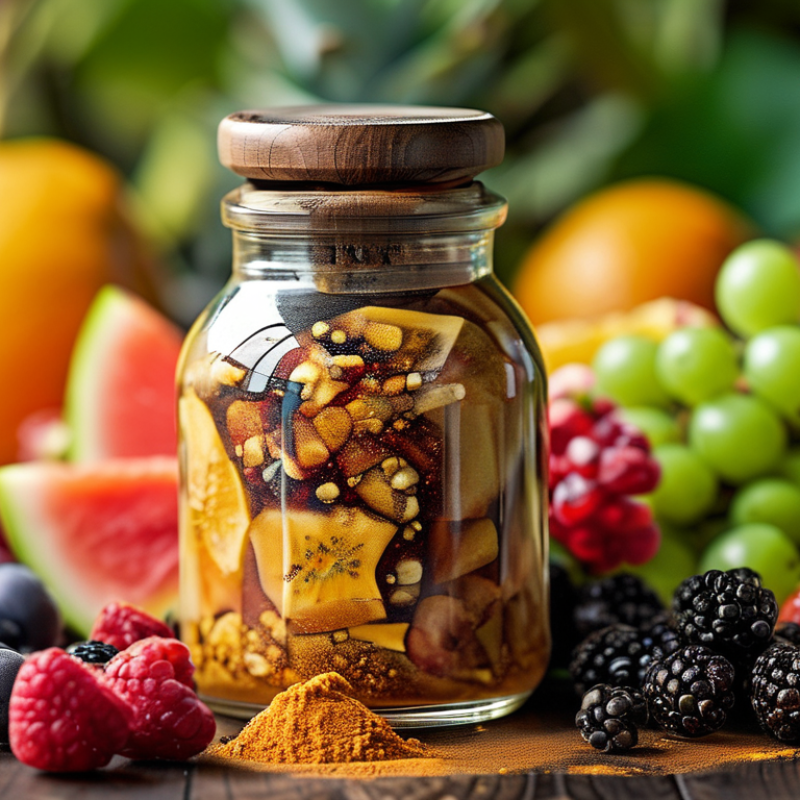
Fruit enzyme powders are concentrated ingredients made from fruits or fermentation-based enzyme systems. Their uses vary across nutrition, cosmetics, beverage processing, and personal care. A powder labeled Rose Enzyme Powdermay support formula development, but its activity depends on Extraction, drying, and storage conditions.
Global buyers should examine enzyme activity units, moisture levels, microbial testing, allergen statements, and batch consistency. A clean-looking powder is not enough evidence. During practical sourcing, humid shipping can cause clumping, weaker performance, or packaging failure. Reliable manufacturers should provide a specification sheet, certificate of analysis, stability data, and traceable production records. Regional rules also differ, so claims accepted in one market may require revision elsewhere. Some suppliers explain appearance better than function. That gap deserves attention.
Tips: Request a small sample before placing a large order. Compare activity using the same test method. Check whether the package includes a moisture barrier. Ask for storage guidance, production date, and recommended dosage. For cosmetic or food applications, involve a qualified technical reviewer before approval. A simple trial with real packaging often reveals problems that laboratory samples hide.
Selecting the seven best fruit enzyme powder manufacturers requires more than comparing prices. Market demand is rising: MarketsandMarkets projects the food enzymes market to reach about USD 3.6 billion by 2028. Grand View Research also reported strong growth in the global digestive enzymes market. These figures show opportunity, but they do not prove product quality.
Evaluate manufacturers through measurable evidence. Ask for enzyme activity results, not only powder weight. A reliable supplier should provide batch-specific certificates of analysis, microbial limits, heavy-metal screening, pesticide testing, and allergen statements. Check whether testing follows recognized methods.
Confirm GMP, HACCP, or ISO 22000 systems through current audit records. For formulas containing Co Enzyme ingredients, request identity, purity, and stability data separately. Labels can look impressive.
Production experience matters when fruit sources change by season. Ask how suppliers control pH, drying temperature, moisture, and oxidation. A practical test is simple: inspect a retained sample after storage, then compare color, aroma, solubility, and declared activity. The powder should dissolve without excessive clumping. Traceability should reach the orchard, processing line, and batch number. Logistics also deserve attention, especially humidity protection during ocean transport. A glossy certificate is not enough. Some suppliers may provide incomplete stability evidence, and buyers should treat that gap seriously. No checklist is perfect; independent verification remains worthwhile. Industry forecasts offer direction, not a substitute for factory-level due diligence.
Seven leading fruit enzyme powder manufacturers stand out through process control, documentation, and practical export experience. The strongest profiles usually include a clinical-grade producer with tight assay testing, an orchard-integrated manufacturer with better raw-material traceability, and a spray-drying specialist focused on stable powders. Their facilities should show controlled temperatures, hygienic production zones, and clearly recorded batch numbers.
A cold-process manufacturer may protect more enzyme activity, although its powder can cost more. A custom-formulation supplier supports capsule, sachet, or beverage applications and should explain carrier ingredients clearly.
An organic-certified producer can serve buyers with strict sourcing needs, but certification must be checked by scope and date. A regional export specialist may offer flexible minimum orders, yet shipping records and customs experience matter.
These profiles are useful, not perfect. Even reliable manufacturers can face seasonal fruit variation or uneven enzyme activity between batches.
Tips: Request a recent certificate of analysis, microbial report, heavy-metal test, allergen statement, and stability data. Compare declared activity units, not only powder weight. Ask for a small production sample and review its color, aroma, solubility, and sediment. A polished website is not proof. Direct technical answers are more valuable. Buyers should also confirm packaging barriers, storage temperature, shelf-life testing, and lot traceability before signing a supply agreement.
Global buyers should assess fruit enzyme powders through evidence, not attractive claims. A 2024 MarketsandMarkets report estimates the food enzymes market will grow steadily through 2029, driven by cleaner processing and digestive-health applications. That growth increases supplier choice, but also increases quality differences. Ask for batch-specific certificates, microbial limits, heavy-metal results, moisture content, and allergen controls. A bright powder is not proof of performance.
Enzyme activity matters more than percentage purity. Bromelain should be declared in GDU or MCU, while papain is commonly measured in USP or TU units. These units are not interchangeable. Request testing conditions, pH, temperature, and assay dates. For Q10 Enzyme products, suppliers should explain the exact enzyme blend and its activity at the recommended storage temperature. Third-party testing adds credibility. Still, activity may fall after months in humid warehouses.
Capacity requires practical verification. The supplier should disclose annual output, drying technology, packaging controls, and reserve production lines. The 2023 FAO data on global fruit production shows enormous raw-material availability, yet seasonal variation can affect enzyme strength. Good manufacturers use multiple qualified sources and retain reference samples. Ask for three consecutive batch records. One impressive sample is insufficient. I would also review transport simulations and accelerated stability data, because a laboratory result may not survive a hot container. Some evaluations remain imperfect, especially when assay methods differ. That limitation deserves attention.
When comparing the seven best fruit enzyme powder manufacturers, certifications should be checked beyond a logo on a website. Look for current GMP, HACCP, ISO 22000, or equivalent food safety credentials. The certificate must cover the actual production site and product category. Scope matters.
Reliable manufacturers provide a batch-specific certificate of analysis, not a generic template. It should list enzyme activity, moisture, microbiological results, heavy metals, pesticides, and allergen information. Testing should follow recognized methods, with independent laboratories preferably accredited to ISO/IEC 17025. Ask how samples are collected, sealed, and retained. Small details reveal process control.
Regulatory compliance also depends on the destination market. A supplier serving Europe may need different documentation from one serving the United States or Asia. Request ingredient specifications, traceability records, safety data, labeling support, and export documents before ordering. Confirm that claims such as “natural,” “clean label,” or “high potency” are supported by evidence. A certificate alone proves little. That is an easy mistake.
Experienced buyers should review complaint procedures, recall plans, and storage conditions, including temperature and humidity limits. Fruit enzymes can lose activity when packaging or transport is poorly controlled. Ask for stability data under realistic shipping conditions. Some suppliers may provide impressive paperwork but weak technical answers. That should prompt a closer review, not immediate rejection. Compliance is an ongoing practice, not a one-time approval.
| Supplier Profile | Recommended Qualification Evidence | Food Safety Certification Benchmark | Core Testing Requirements | Typical Release Specifications | Global Regulatory Considerations | Buyer Assessment |
|---|---|---|---|---|---|---|
| Supplier Profile 01 | Valid third-party food safety certificate, product specification, allergen statement, traceability procedure, and recent certificate of analysis. | ISO 22000, FSSC 22000, BRCGS Food Safety, or an equivalent GFSI-recognized scheme. | Total plate count, yeast and mold, coliforms or Enterobacteriaceae, Salmonella, and Escherichia coli using validated methods. | Identity confirmed; moisture and water activity controlled; pathogens absent according to the agreed specification; batch and lot traceable. | Food, dietary supplement, or novel-food classification must be confirmed separately for the destination market. | High Priority |
| Supplier Profile 02 | Documented HACCP plan covering raw-material receipt, enzyme processing, drying, milling, packaging, storage, and shipment. | HACCP-based preventive controls supported by GMP procedures and internal verification records. | Microbial testing, foreign-matter inspection, heavy metals, pesticide residues where relevant, and cleaning-validation records. | Consistent appearance, odor, solubility, particle size, moisture, and enzyme activity within the approved product specification. | U.S. facilities may need FDA food-facility registration and compliance with applicable 21 CFR food or dietary-supplement requirements. | Verify |
| Supplier Profile 03 | Current ISO 9001 certificate, controlled batch records, change-control procedure, complaint handling, and corrective-action documentation. | ISO 9001 quality-management certification combined with a recognized food-safety system. | Assay or activity testing for each declared enzyme, identity testing, microbial limits, and stability testing under defined storage conditions. | Declared enzyme activity remains within the labeled range; packaging protects against moisture, oxygen, and light as applicable. | Claims must be substantiated and labeling must match the legal category and language requirements of each importing country. | Strong Option |
| Supplier Profile 04 | Qualified supplier program for fruit sources, country-of-origin records, pesticide-control policy, and documentation for organic or non-GMO claims when used. | Food safety certification plus an independently verified agricultural or chain-of-custody program where applicable. | Pesticide-residue screening based on raw-material risk, heavy-metal analysis, mycotoxin testing when relevant, and authenticity checks. | Raw-material identity and origin documented; contaminants controlled to applicable market limits; no undeclared additives or fillers. | EU imports may be subject to Regulation (EU) 2023/915 contaminant limits and applicable maximum-residue-level requirements. | High Potential |
| Supplier Profile 05 | Accredited laboratory reports, method references, laboratory scope, sample-retention policy, and complete lot-release documentation. | Testing performed by an ISO/IEC 17025-accredited laboratory, with the relevant method included in the laboratory scope. | AOAC, ISO, or another scientifically validated method for microbiology, contaminants, identity, and enzyme activity, as appropriate. | Results include units, detection limits, method references, sample details, test date, authorized approval, and lot number. | Analytical methods and limits should be mapped to the importing country rather than relying on a generic global certificate. | Evidence-Based |
| Supplier Profile 06 | Validated allergen-control plan, cross-contact assessment, cleaning records, allergen declaration, and segregation controls. | GMP and HACCP controls with documented allergen management and employee-hygiene training. | Allergen testing based on risk assessment; microbial analysis; residual cleaning verification; and undeclared-adulterant screening where warranted. | Allergen status clearly declared; no cross-contact beyond the approved risk profile; product packed in suitable food-contact materials. | Allergen-labeling rules differ by market, including the United States, European Union, United Kingdom, Canada, and Australia. | Conditional |
| Supplier Profile 07 | Export documentation, product label draft, certificate of origin, packaging declaration, shelf-life study, and recall or withdrawal procedure. | Auditable food-safety certification with documented export controls and product-release authorization. | Shelf-life and accelerated-stability studies, packaging migration assessment where required, microbial limits, moisture, and enzyme activity retention. | Defined storage temperature and humidity; intact packaging; expiration date supported by stability evidence; lot-level recall capability. | EU products may require compliance with food-information rules under Regulation (EU) No 1169/2011; other markets have separate labeling rules. | Export Ready |
Buyer note: Certification names indicate recognized qualification benchmarks, not verified claims about any specific manufacturer. Buyers should confirm certificate validity, scope, issuing body, product category, destination-market requirements, and lot-specific test results before purchase.
7 Best Fruit Enzyme Powder Manufacturers for Global Buyers?
Choosing a fruit enzyme powder manufacturer requires more than comparing prices. Packaging should protect sensitive powders from moisture, light, and oxygen. Foil laminate pouches, sealed drums, and tamper-evident jars are common options. Ask for batch numbers, ingredient lists, allergen statements, and recent certificates of analysis. A dry powder can still absorb moisture during transit. That detail is easy to miss.
Customization may include flavor, particle size, serving format, label language, and private packaging. Some suppliers support sachets, tubs, or bulk cartons for food and supplement applications. Minimum orders vary widely. A practical approach is requesting a small pilot order before committing to several pallets. Confirm sample fees, tooling costs, artwork approval, and repeat-order terms in writing. Bigger orders are not always better.
Global shipping needs careful planning. Check whether the quoted price includes export documents, insurance, customs support, and delivery to your warehouse. Ask about Incoterms, pallet dimensions, shelf life, and storage temperatures. Sea freight may reduce costs, while air freight can shorten lead times. However, urgent shipping can damage margins. A polished catalog is not proof of reliable production. I would also verify factory audits, quality records, and third-party testing. Even experienced buyers sometimes overlook how local labeling rules affect final packaging.
This chart summarizes the main verification points global buyers should review when comparing fruit enzyme powder suppliers. It focuses on packaging, customization, minimum orders, and international shipping rather than individual company data.
International buyers should assess fruit enzyme powder manufacturers through evidence, not attractive brochures. In supplier audits, I check raw-fruit origin, enzyme activity, moisture control, and batch traceability. A clear specification should state bromelain, papain, or other enzyme levels, not merely “natural digestive support.” It should also distinguish a fruit enzyme blend from Co Enzyme Q, which has a different identity and function. WHO estimates that contaminated food causes about 600 million illnesses and 420,000 deaths annually. Therefore, documented hygiene controls are essential, even for low-risk powdered ingredients.
Ask for recent certificates, laboratory methods, allergen statements, and stability data from production batches. ISO 22000 certification can indicate a structured food-safety system, but certification alone does not prove consistent enzyme potency. Compare three production lots. Check whether results remain stable after transport, heat exposure, and storage. The Codex General Principles of Food Hygiene, revised in 2022, supports preventive controls and documented hazard management. Buyers should also examine factory capacity, minimum order quantities, packaging barriers, and response times for complaints.
Tips:
Request a retained sample from the exact commercial batch. Test identity, activity, heavy metals, microbes, and moisture independently. Confirm that the manufacturer can provide export documents for your destination. I sometimes trust polished paperwork too quickly; that is a weakness worth correcting. A short video audit, sealed sample comparison, and direct technical interview often reveal more than a sales presentation. Avoid suppliers who cannot explain testing limits in plain language.
They support nutrition, cosmetics, beverage processing, and personal care formulas. Their performance depends on processing and storage.
Request a specification sheet, batch-specific certificate of analysis, stability data, and traceable production records. Do not accept attractive labels alone.
Check enzyme activity, moisture, microbial limits, heavy metals, pesticides, and allergens. Confirm the test methods are recognized and consistent.
Order a small sample or pilot batch. Compare activity, color, aroma, solubility, and clumping under the same conditions.
Enzyme powders can absorb moisture during transport. Foil pouches, sealed drums, and tamper-evident jars may provide better protection.
Check Incoterms, export documents, insurance, customs support, pallet dimensions, shelf life, and warehouse delivery terms. Humid sea freight needs extra planning.
Customization may include flavor, particle size, serving format, label language, and packaging type. Confirm artwork, tooling fees, and repeat-order terms in writing.
Ask how the supplier controls pH, drying temperature, moisture, and oxidation. Seasonal fruit changes can affect batch consistency.
Minimum orders vary widely. A small pilot order can reveal problems before several pallets arrive.
No. Independent verification remains useful. A certificate may look polished, yet stability evidence can still be incomplete.
This guide explains how Fruit Enzyme Powder is produced, evaluated, and applied in global food, beverage, nutrition, and wellness markets. It outlines the main factors international buyers should consider when comparing seven leading manufacturers, including raw material quality, enzyme activity, product consistency, production capacity, processing technology, and supply reliability. Buyers will also learn how to review certifications, laboratory testing, traceability systems, and regulatory documentation before placing an order.
The article further compares packaging options, private-label and customized formulations, minimum order quantities, lead times, and international shipping support. It emphasizes the importance of clear technical specifications, stable quality control, transparent communication, and responsible compliance with destination-market requirements. By using a structured evaluation process, buyers can select a suitable Fruit Enzyme Powder manufacturer that matches their product goals, budget, order volume, and distribution needs while reducing sourcing risks and supporting long-term cooperation.